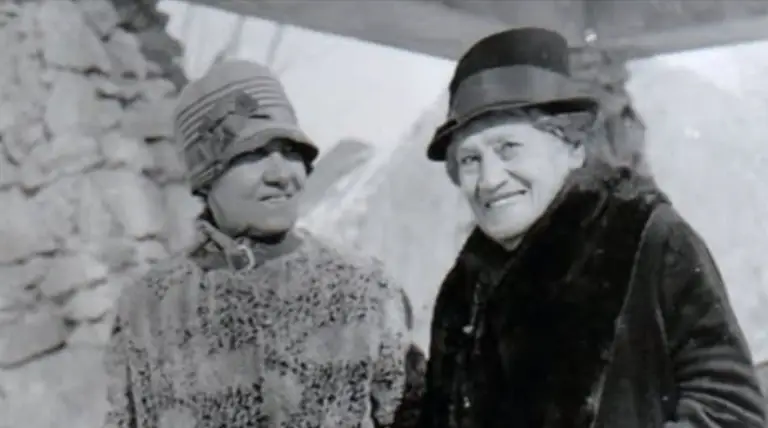
Jim Bridger Wife is a phrase that actually points to more than one woman, because Bridger married three times and all of his spouses were Native American women from different tribes. Each marriage tied him more deeply into frontier and tribal life, giving him family roots among the Flathead, Ute, and Shoshone people while he was working as a trapper, scout, and explorer. Through these wives and their extended families, Bridger gained not only emotional ties but also practical advantages like protection, guidance, and local knowledge that helped make him one of the most effective guides and intermediaries in the Rocky Mountain West.
Jim Bridger Wife
Jim Bridger, the famous American mountain man and fur trapper, married three times in his life, all to Native American women who had a great influence in his life as a frontiersman.
Bridger first wife was Cora (also called Cora Insala), the daughter of Insala, a Flathead chief known as “Little Chief” or “Scar Face”. They married in 1835, and together they had three children: Mary Ann (born 1835) and Josephine. After 11 years of marriage, Cora tragically died in 1845 at Fort Bridger in Wyoming, succumbing to a fever shortly after delivering their third child Josephine.
Bridger second wife was Chipeta, a Ute woman with whom he spent three years before she died in childbirth. Their daughter Virginia, born in 1849, survived and Bridger raised her on his own until she was five years old, when he sent her to live with a friend in St. Louis. Virginia became his longest-living child, eventually returning to Wyoming and living until age 83, passing away in 1933.
Bridger third and final wife was Mary, the daughter of his close friend, Shoshone Chief Washakie. She was his last spouse among the three Native American women he married during his adventurous life on the frontier. Of Bridger’s five known children from these marriages, his daughter Virginia lived the longest, outliving her famous father by more than half a century and maintaining a connection to the Wyoming lands her father had explored over a century earlier.
Who Was Jim Bridger?
Jim Bridger (1804–1881) was one of the most famous American mountain men, scouts, and explorers of the early 19th century. He spent decades roaming and mapping the Rocky Mountains and the Western frontier, becoming a key guide for traders, the U.S. Army, and westward‑bound settlers.
In 1824, he was among the first non‑Native people recorded to see the Great Salt Lake, and he later explored the Yellowstone region long before it became a national park. He helped identify important routes such as Bridger Pass, which later shaped the paths of wagon trains, railroads, and even modern highways.
Bridger also established Fort Bridger in present‑day Wyoming, which became an important resupply point on the Oregon Trail and for the U.S. Army. Known as “Old Gabe,” he spoke several Native American languages, married three Native American women, and had multiple children. Despite his huge impact on Western expansion, he died blind and relatively poor, with his importance fully appreciated only long after his death.
Related article you might like: Prichard Colon Wife And Adam Pally Wife (Daniella Anne Pally)
Jim Bridger Wife: Her Background and Early Life
First Wife: Cora (Flathead Tribe)
Cora Insala was born around 1820 and was the daughter of Insala, a chief of the Flathead Nation also known as “Little Chief” or “Scar Face”. Growing up as the daughter of a prominent tribal leader, Cora was raised within the Flathead community in the Pacific Northwest region. She married Jim Bridger in 1835 when she was approximately 15 years old, which was typical for the era. Together they had three children: Mary Ann (born 1835), and Josephine. Cora lived the challenging life of a mountain man’s wife on the frontier before dying in 1845 at Fort Bridger from fever complications after delivering their third child, when she was only about 25 years old.
Second Wife: Chipeta (Ute Tribe)
Bridger second wife was a Ute woman whose background and early life remain less documented in historical records. She came from the Ute tribe, one of the indigenous peoples of the Great Basin and Colorado Plateau regions. After marrying Bridger, she spent three years with him before tragically dying in childbirth. Their daughter Virginia, born in 1849, survived and became Bridger’s longest-living child, eventually living to age 83.
Third Wife: Mary Washakie (Shoshone Tribe)
Bridger third and final wife was Mary, the daughter of his close friend Chief Washakie, the renowned leader of the Eastern Shoshone tribe. Mary father was a chief of great prominence and respect within his tribe and this gave Mary a privileged position within her tribe. Chief Washakie was a noted diplomat and friend to white settlers, which may have helped bring about the marriage of his daughter and Bridger. Historical sources indicate that Bridger was married into the Shoshone tribe, and some say that he had two wives from the tribe.
Related article you might like: Ron Clark Wife Or Husband
How Did Jim Bridger Meet His Wife?
Historical sources do not give a detailed, step‑by‑step story of how Jim Bridger met each of his wives, but a few key points are clear. He spent most of his adult life living and working among Native American tribes as a trapper, guide, and trader, which is how he formed close relationships that led to marriage.
His first wife, usually identified as a Flathead woman often called Cora or Emma, was someone he had known for some time before they married in 1835, suggesting they met through repeated contact while he trapped and traded in Flathead country. His later marriages—to a Ute woman and then to Mary, the daughter of Shoshone Chief Washakie—also came from his long-term alliances and friendships with those tribes, rather than from formal “courtship” in white settlements.
Jim Bridger Marriages and Family Life
Jim Bridger marriages were closely tied to his role as a cultural “bridge” between white traders and Native nations. He didn’t just marry within tribes for convenience; those unions helped cement alliances, gain trust, and secure safe passage and trading rights for himself and the fur companies he worked with. His households were multilingual and multicultural, with children raised around both Native traditions and frontier American customs.
Because his work kept him constantly on the move, Bridger family life was often fragmented. When he was away guiding the Army or leading expeditions, his children were frequently placed with missionaries, traders, or trusted families closer to settled areas so they could receive some formal education and be safer than in remote camps. As he aged and his health declined, especially when he began losing his eyesight, it was his surviving children—particularly his daughter Virginia—and a few relatives and neighbors near Kansas City who handled his affairs and saw him through his final years, long after his fame as a mountain man had faded.
How Marriage Shaped Jim Bridger Frontier Life
Jim Bridger marriage to three Native American women had a profound impact on his life as a frontier man, causing him to become not only a trusted member of a frontier community but also an insider in three different tribal communities. By his marriage to the Flathead, Ute and Shoshone, he acquired local protection and gained family connections; he also acquired the tribal knowledge of trails, rivers, passes, and the seasons, knowledge that other white trappers did not possess.
He was a natural mediator and guide between Native communities and U.S. settlers or the Army as he was able to operate fluidly in both cultures and could speak several Native languages. His family life also tied him to certain areas, particularly around the Rockies and Wyoming, and his ability to create a home and maintain a long-term connection to these areas formed a foundation for his service as a scout, trader and explorer.
The Personal Life of Jim Bridger Beyond Exploration
Jim Bridger personal life was shaped early by loss and hard responsibility. As a teenager he was orphaned and had to support himself and his younger sister, first working on a ferry and apprenticing as a gunsmith before ever heading west. Outside of exploration, he was very much a family man by frontier standards, marrying three Native American women and fathering several children, then trying to secure schooling and safer lives for some of them back east when his own roaming life made stable home life difficult.
In old age, after decades as a trapper, scout, and guide, Bridger world narrowed to a small farm near Westport, Missouri, where he lived quietly with his two daughters and their families. Nearly blind and no longer in demand as a guide, he spent his last thirteen years away from the trails that made him famous, cared for by the surviving pieces of the family he’d built across a lifetime on the frontier.
Challenges Faced by Jim Bridger and His Family
As a boy, Bridger was orphaned around age 13, losing his parents and sibling and being left with no formal schooling, unable to read or write, and forced to work as a farmhand and apprentice just to survive. Life in the mountains brought constant dangers: brutal weather, long separations from family, and the pressure of earning a living after the fur trade collapsed, which left many trappers—including Bridger—scrambling for new ways to support themselves.
His family life was marked by repeated loss. All three of his Native American wives died relatively young—one from fever, one in childbirth, and another before his own death—leaving him a widower multiple times. Several of his children also died tragically: his eldest daughter Mary Ann was killed after being captured during the Whitman Massacre, his son Felix died of illness while serving in the Missouri Artillery, and his daughter Josephine died young as well, leaving only Virginia as his surviving child in later years.
In old age, Bridger suffered from goiter, rheumatism, and eventually blindness, and he struggled unsuccessfully to collect money he believed the U.S. government owed him for the lease of Fort Bridger. He spent his final years on a small farm near Kansas City, physically broken and largely forgotten by the nation he had helped open, relying on his remaining family to care for him.
Summary
Jim Bridger life was marked by repeated hardship and family tragedy. As a teenager he was orphaned, had little or no formal schooling, and had to work from a young age to survive. Later, long, dangerous years in the mountains kept him away from home and made it hard to provide stable security for his family. He outlived all three of his Native American wives and lost several children to violence and disease, with only one daughter surviving into his old age. In his final years, he suffered serious health problems, including near-blindness, and struggled unsuccessfully to obtain compensation he believed he was owed, spending his last days physically broken and dependent on relatives for care.
